Summer Packing List for Europe with Kids: What to Pack and how to pack for a family trip to Europe
Summer Packing List for Europe with Kids: a realistic, practical family packing list with summer in Europe with what you need, what you don’t need to stress about and tips to travel light without renounce comfort and style.
Packing for a summer trip to Europe with kids is one of those things that sounds really daunting but becomes easier and even straightforward once you have a few expert tips for guidance: which you do! This is exactly what this post is for!
I’ve been travelling around Europe with my family for years, with summers that have taken us to Italy, Ireland, Spain, Portugal, France, and beyond, and I’ve learned over time that packing for Europe is a skill, but one you can absolutely master!
The key is to tune out the noise of what people wear ‘in Europe’ (spoiler: there is no such thing as Europe when it comes to fashion) and focus on practical aspects: what makes YOU comfortable, what is easy to carry, what you may want to look like in photos.
I am here to help with this!
My approach is practical rather than minimal. I’m not a ‘carry-on only at all costs’ packer when travelling with kids but I also don’t overpack, and I’m fairly ruthless about leaving anything that’s ‘just in case’.
My main worry when packing is weather and portability, because years of family travel have taught me me noting is more useless and stressful than lugging massive bags while on the go!
This summer Europe packing list for families reflects that: what we actually use, what I’ve learned to always bring, and what’s genuinely not worth the bag space (believe me, mistake made once and never repeated again, especially under the crazy sun of Southern Europe!)
I hope this packing list helps and you can find good ideas and a bit of respite from the very real packing anxiety a big trip can cause!

How Hot Is Europe in Summer?
Before you start packing, it’s worth thinking about which part of Europe you’re heading to — because summer in Sicily is a very different experience from summer in Paris or Dublin.
- Southern Europe and Central Europe (Italy, Sicily, Greece, Spain, France, Germany, etc): Genuinely hot, often 30°C+ in July and August. You’ll want light, breathable fabrics and serious sun protection. Elevation makes a big difference in temperatures so if you are going to the Dolomites for instance, you’ll want an extra layer
- Northern Europe (UK, Ireland): Can be lovely, but summer’ is not guaranteed. Pack for warm days but always have a light jacket and a rain layer somewhere accessible.
The list below works for all of the above — I’ll flag where tips vary by region.

Documents & Travel Essentials
Always start here. Nothing else matters if these aren’t sorted.
- Passports — check expiry dates well in advance. Many countries require 6 months’ validity beyond your travel dates so make sure the whole family has everything sorted on time
- Required Visas / entry documents if any – check with the authorities about your specific case and remember that the UK and the EU have different systems
- Travel insurance documents
- All your confirmations and bookings, especially accommodation. I like to have both a soft and a hard copy, just in case
- A small travel organiser or folder to keep everything together
Tip: Designate one adult to be in charge of all the documents. This avoids the classic “I thought YOU had them” scenario at airport security and check and double check often.
Clothing for Summer in Europe
Everyday Clothing — Adults
The key to packing well for European summer is light, versatile pieces that mix and match: I start with 3 outfits (top, bottom, layer) and add as many as I need to each category: this way, I only have items that go together and there is no ‘orphan’ item that is maybe super cute, but just occupies space as it goes with nothing!
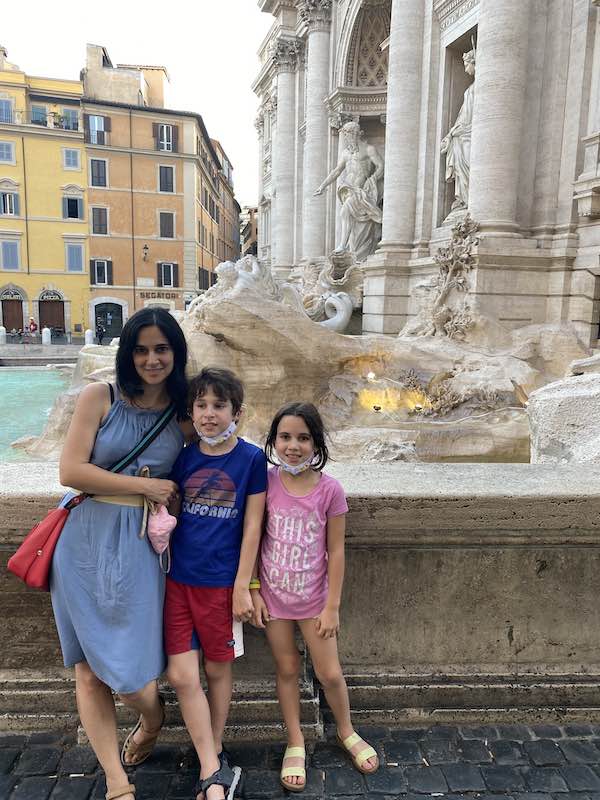
- 3 lightweight tops or t-shirts (breathable fabrics: linen, cotton, or moisture-wicking blends)
- 3 bottoms: 1 longer (trousers, for churches, colder weathers, nicer dinner out), shorts, skirt
- Light cardigan or thin layer – 3 if going to northern Europe or the mountains, 1 if staying in the heat
- A couple of casual dresses or skirts (easy, cool, and incredibly versatile — I always pack more of these in summer)
- Swimwear (2 sets — one to wear, one drying)
- Sleepwear
- One slightly smarter outfit if you have a special dinner or event planned
Tip for church appropriate attire: if you are visiting churches, especially in Italy but not only, you will need appropriate attire. Many misinterpret this as you need to be dressed smartly but this is not the case; what you need is to cover knees and shoulders /armpits. The best way to go about it is to wear longer skirts / shorts or pants – for kids, tracksuit bottoms are perfectly ok, you don’t need to get them endure their Sunday best, all they need is for their knees and shoulders not to be on show (very young kids like toddlers can wear what they want, in practice. Older kids should abide the dress code)

Everyday Clothing — Kids
Since kids’ stuff is smaller and stains are a thing… I tend to bring a few more pieces for them
- 4–5 lightweight tops or t-shirts
- 2–3 shorts or light trousers
- 1–2 casual dresses or easy outfits
- A thin hoodie or light zip-up — evenings, air conditioning, and early mornings all call for it
- Swimwear (2 sets, so one is always dry)
- A UV rash vest if you’re spending time at the beach or pool — this is one of my most-used summer items. It reduces how much sun cream you need to reapply and means you worry far less about missed spots
- Sleepwear
- If heading to the UK, Ireland or further north, also add a waterproof layer / light jacket
One Nicer Outfit — Adults, IF you want to
One thing I want to address because I get asked about it constantly: do you need to dress a certain way in Europe?
Short answer: no. Longer answer: also no.
You will see every possible style on European streets in summer, from ultra-casual to very elegant, and nobody is paying attention to tourists the way tourists worry they are.
Wear what makes you comfortable and happy. If that’s linen trousers and a nice shirt, wonderful. If that’s shorts and a t-shirt, also wonderful.
The only real dress code to keep in mind is for churches (covered shoulders and knees — see tip above) and for any genuinely upscale restaurant or cocktail bar you may have booked, where smart casual is appreciated. Outside of those two situations? Just be yourself, honestly, no one cares what you are wearing!
Shoes for Summer in Europe
If there is one thing that is sure about your trip to Europe, no matter where in Europe you’ll be is that you will walk. A lot! More than you expect.
Comfortable shoes are the single most important packing decision you’ll make, especially with children who have strong opinions about sore feet.
- Comfortable walking shoes or trainers — your main pair. Make sure they’re already broken in before the trip, not fresh out of the box. These will be your main and potentially only shoe in Northern Europe and the mountains.
- Walking Sandals — these may be your one and only shoe for southern and Central Europe as well as for beaches, pools, and casual days. I love Teva Sandals or many find Birkenstocks excellent: whichever you choose, make sure they have some padding on the sole as 30k steps on concrete and cobblestones get very heavy on the foot and ankle very fast!
- Kids’ shoes: comfortable trainers or sandals for walking days, sandals or water shoes for beach and pool time
Important note cobbled areas: Cobblestones are beautiful and absolutely brutal on the wrong footwear. Flat shoes with a good grip sole are far more practical than anything with a heel, and in historic town centres you’ll be very grateful for this advice. While I know overseas visitors love flip flops, they are terrible on cobblestones and the one things locals never wear unless on the beach: I am not saying this as a style point but as a safety one: if locals don’t do something, there is usually a very practical reason you may want to take on!
Accessories & Day Bag
- Sun hat — for adults and every child. Non-negotiable in southern Europe in July and August. Wide-brimmed for sun protection, and one that can be stuffed in a bag without drama
- Sunglasses for the whole family
- A small crossbody bag or lightweight daypack for sightseeing days. You do NOT need a theft proof bag: just put your bag at the front in busy areas if you are worried
- Reusable water bottle
- Light scarf or sarong – works as a beach cover-up, a layer in a cold museum, something to sit on, an impromptu shade maker for a napping baby etc
Sun & Heat Essentials
This is the section where summer packing differs most from every other season, and where it’s easiest to get caught out.

- Sunscreen — you can bring your own or buy here. I suggest you bring it from home if you know you like a specific brand or may have sensitivities, as brands here may differ.
- After-sun lotion — especially for kids after beach or pool days this can be a nice one to have to cool the skin down. Easy to source here or, like above, you may want to bring a tried and tested one from home
- Lip balm with SPF — easy to forget, and you’ll notice the difference. I made this mistake too many times to travel without, now I consider it an essential!
- Repellent, after-bite or antihistamine cream — mosquitoes are a real presence in summer across southern and central Europe, particularly in the evenings near water or greenery. You can find products here but again, if you know your skin may have a negative reaction, best to stick with what you know.
Tip for Southern Europe in July – August The sun between 11am and 5pm is genuinely intense, no matter how much protection you have on you. Build rest time — a long lunch, a quiet hour back at the hotel — into your days. The kids will be happier, you’ll be happier, and the sightseeing you do in the cooler parts of the day will be so much more enjoyable. Locals know this so you will see lots of kids out until late and a lot of lovely local events too, allowing families to make the most of the most pleasant part of the day!
Toiletries & Health Essentials
This is one of my favourite sections to write because my advice is: don’t stress it.
Most hotels provide soap, shampoo and body wash as standard.
What they almost never provide is conditioner — so if you need it, bring it or buy it on arrival. Similarly, washcloths are not a thing in Europe: we tend to use loofahs or sponges, if anything, and hotels won’t provide them as they’re considered a personal item. If you rely on them, pack one from home.
Beyond that, Europe has wonderful pharmacies and supermarkets stocked with everything you could need and at least for me, part of the joy of travelling here is discovering local brands.
I’m Italian and I genuinely look forward to stocking up on French skincare whenever I’m in France for instance, or using the excuse of the vacation to pick up a new lovely Italian body cream.
Things worth bringing from home, if you have specific needs or sensitivities:
- All your toiletry basics (toothbrush, hair brush, comb etc, deodorant, tweezers etc)
- Prescription medications (in original packaging with a copy of the prescription)
- Your preferred sun cream and after-sun if you have sensitive skin
- Insect repellent and after-bite cream
- Any children’s medications or specific products you know work for your family
- Feminine hygiene products if you have a preferred brand (all available here, but brands differ)
Basic pain relief, antihistamines and plasters are all easily found at any pharmacy — and European pharmacists are generally excellent and very helpful even with a language barrier..
Good to know: Medications in Europe often have different commercial names than back home. If you run out or need more, knowing the generic active ingredient (for instance, paracetamol or ibuprofen) means you can find an equivalent at any pharmacy, regardless of the brand name.
Tech & Travel Gear
- Universal travel adapter: this is essential if you are visiting multiple countries. For instance, the UK and Ireland have a 3 pin plug while the EU uses a 2 pin one. An adapted is a device that changes the shape of your plug, to adapt it to the local socket
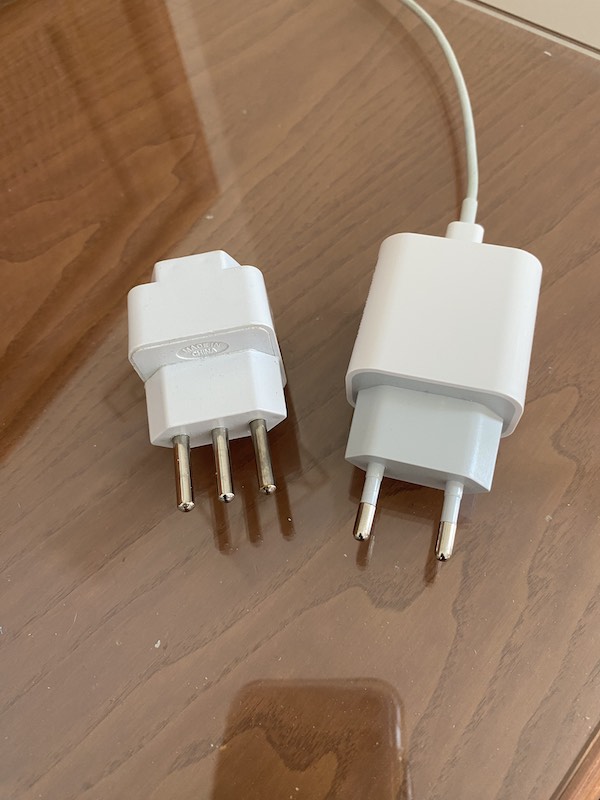
- Converter: if you come from overseas, you may also need a converter. A converter is a device that also changes the strength of the current and prevents lower voltage items (for instance and American hair straightener) to fry when used here
- Portable charger / power bank — especially useful on long sightseeing days when maps and cameras drain the phone quickly
- Phone with roaming plan / sim
- Plane travel essentials / niceties: neck pillow, eye mask, games for the kids etc
Packing for Babies & Toddlers in Summer
Summer travel with very young children needs a little extra thought, particularly around heat and sun.
- Lightweight travel stroller – I often put a soft microfibre towel on it to prevent any plastic-y bit if any to get hot and sticky on the skin
- Portable clip-on fan or handheld fan — surprisingly useful in hot weather, especially for buggies
- Baby carrier although you’ll have to see each day how hot it gets as the risk of overheating is real. You may want to invest in a specific one for hot weather so you are sure it very breathable
- Nappies/pull-ups for the journey, plus a few more in case of delays
- Familiar snacks from home – you find a huge amount of snacks of all sorts in Europe, but they are different from what you find overseas (and they differ from country to country) so if you know your kids may have difficulties with this, a small stash of things from home may be handy
Tip: In countries like Italy, Spain or Greece, you don’t find ‘snacks’ for kids as a specific category in supermarket. Instead, you’ll find different foods that work well as snack in different parts of the shop. So for instance you’ll have biscuits and packages cakes / sweets and cereals in the breakfast aisle, yogurt and cheese in the fridge etc.
What NOT to Pack
Equally important — what to leave at home.
- Jeans — heavy, slow to dry, uncomfortable in the heat and get soaked in Uk and Ireland rain. Chinos, leggings and tracksuit bottoms for kids often work a lot better than denim
- Too many shoes — the two pairs mentioned above are genuinely enough for most summer trips
- Multiple ‘just in case’ outfits — be realistic. You’ll do laundry or buy a replacement if something goes wrong. Don’t pack for hypotheticals
- Thick towels — most hotels and many apartments provide them. If heading to the beach regularly, a lightweight travel towel takes up a fraction of the space
Final Tips for Packing for Summer in Europe with Kids
A few things I always remind myself before any family summer trip:
Roll, don’t fold. Rolling clothes saves significant space and reduces creasing, especially for lightweight fabrics.
Use packing cubes: they save lots of space and mean you you don’t always have to unpack everything
Pack a small empty bag inside your luggage. Useful for dirty laundry, wet swimwear, or the inevitable holiday shopping.
Don’t leave packing to the night before. With kids, something always needs washing or charging or finding at the last minute. Start a few days early and add as you go.
Dress kids the night before departure. Lay out and pack the next day’s travel outfit separately so you’re not rummaging in the morning.
And most importantly: pack for the trip you’re actually taking, not a hypothetical perfect version of it. A practical, realistic bag will make every day easier — and you’ll spend less time at baggage reclaim and more time actually enjoying yourself. Safe travels!
Summer Packing List for Europe with Kids — pin this!