The Ultimate Packing List for Ireland: How to Pack and What to Pack in Every Season
Our tried and tested packing list for Ireland with what to bring in each season and style guide to be comfortable and stylish during your travels in Ireland, may you be in a castle or the great outdoors.
If there is one question I get asked more than any other about Ireland — and I live here, so I get asked a lot — it is this: what on earth do I pack?
It is a fair question.
Ireland’s weather is genuinely one of a kind, and not in a way that makes packing straightforward. You can have four seasons in a single day. You can have a gloriously sunny morning, a sideways rain shower at noon, a warm and golden afternoon, and a biting wind by evening.
I have been caught out by all of these in the same week, in May, having lived here for years so when I say the weather is unpredictable: it really is!
The good news is that once you understand the logic of packing for Ireland — layers, waterproofing, and never assuming tomorrow will look like today — it becomes quite simple. This is not a destination that requires a lot of clothes. It requires the right clothes, chosen for versatility and practicality.
I’ve been living in Dublin for years, I’ve driven the Wild Atlantic Way with the kids, walked the Wicklow Mountains, and explored the west coast in every possible weather condition. This packing list is built on all of that experience.
Travel Documents & Essentials
Always start here — nothing else matters if these aren’t sorted.
- Passports and all travel documents such as Visas etc, as relevant
- Travel insurance documents
- Booking confirmations — accommodation, car hire, any pre-booked tours or attractions — saved offline as well as in your email
- Travel adapter — Ireland uses the same 3-pin plug as the UK, which is different from the rest of Europe and from North America. This catches people out regularly; don’t be one of them
- Driving licence if you’re planning to hire a car — an international driving permit may be needed depending on where you’re from; check in advance
- A small travel organiser or zip wallet to keep everything together
Tip: If you’re hiring a car and planning to drive in Ireland, download offline maps before you travel. Rural Ireland — particularly the west coast — can have very patchy signal, and discovering this while trying to navigate a boreen in Connemara is not the moment you want it.
Understanding Irish Weather: The One Thing You Must Accept Before You Pack
Ireland’s weather is shaped by its position on the edge of the Atlantic, and by the Gulf Stream that keeps temperatures from ever getting truly extreme in either direction.
What this means in practice:
- It is rarely very hot (above 25°C is genuinely newsworthy here)
- It is rarely very cold (below -5°C is unusual, and snow is still an event in most of the country)
- It is VERY changeable — this is the one constant
The west of Ireland (the Wild Atlantic Way, Connemara, Clare, Kerry) is wilder, wetter, and windier than the east. Dublin and the east coast are comparatively sheltered. If you’re heading west, add an extra layer and upgrade your rain gear.
The most important packing principle for Ireland: layers. Not one warm thing and one cold thing — actual layers you can add and remove throughout the day. A thermal base, a mid layer, a waterproof outer layer. This approach works in every season and is genuinely what is needed not to be caught out in misery mid-visit.
What Do People Wear in Ireland? Dress Code and Style
Ireland is a very casual country. You will not need formal clothes unless you’re staying at one of the grand castle hotels (some have dress codes for dinner) or attending a specific event.
Pubs: no dress code. Come as you are. This is not negotiable Irish culture: pubs are for everyone, dressed however they like.
Restaurants: smart casual at most, and even that is relaxed. A nice jumper and clean jeans is perfectly appropriate in the vast majority of Irish restaurants, including good ones. Unless of course you are specifically aiming for a very upscale ones.
Dublin nights out: Dublin is actually one of the few places in Ireland where people do dress up to go out, particularly at weekends but it personal choice, not a must. Women especially tend to dress up for a night in the city, so you won’t be out of place in heels and a nice dress if that’s your style. But you equally won’t be out of place in smart casual. There is no rule.
Outside Dublin: very casual almost everywhere. The west of Ireland in particular is deeply relaxed: the focus is on the landscape, the craic (having a good time, fun), and the food, not on what anyone is wearing. Once you see the weather there, you’ll quickly see why too!
Packing List for Ireland in Summer (June, July, August)
Irish summer is a beautiful thing when it appears — genuinely warm, golden, long evenings that stretch until 10pm or later, the whole country in good form. It is also not guaranteed, and “Irish summer” and “hot” are not synonyms.
Average temperatures sit around 15–20°C, with warmer spells that can push to 25°C and beyond (at which point the entire country declares a heatwave and everyone heads to the beach). Evenings cool down noticeably, and rain remains entirely possible at any point.

The essential summer packing list for Ireland:
- Waterproof jacket with hood — the single most important item, even in summer. A lightweight packable one that stuffs into your bag is ideal; you want it with you at all times without it weighing you down
- Light layers: t-shirts, a cardigan or light jumper, and the option to add or remove throughout the day
- Light trousers, jeans, or skirts — something that works for a breezy day as well as a warm one
- One slightly warmer layer (a sweatshirt or light fleece) for evenings and the west coast. I suggest you don’t only bring jeans as they get wet easily and take ages to dry: bring an additional option.
- Comfortable walking shoes — waterproof or at least water-resistant
- Sunglasses — genuinely needed in Irish summer; the light when it comes out is beautiful and bright
- Sunscreen — yes, really. Irish sun in summer is stronger than people expect
- Umbrella — though a hood is more useful in wind (Irish gusts will destroy an umbrella without ceremony)
Summer-specific tips:
The long evenings are one of Ireland’s greatest summer gifts. Dinner with the sun still high, a walk along a cliff path in the late afternoon, kids playing outside until nearly dark: this is Ireland at its best.
Pack a warm enough layer to enjoy the evenings rather than retreating inside when the temperature drops after 6pm.
If you’re heading to the west coast in summer, treat it like a separate packing consideration.
Connemara, the Cliffs of Moher, the Dingle Peninsula — beautiful beyond words and also genuinely exposed to Atlantic weather. A warmer layer and proper waterproofing are not optional here, even in July.

Packing List for Ireland in Winter (December, January, February)
Irish winter is grey, damp, and a lot less atmospheric than it may seem – genuinely, once the Christmas lights come down, the weather and feel gets pretty dire (sorry, but I prefer to tell you the truth instead of luring you here under false pretences!) .
The temperatures are cold but rarely extreme and the main challenges are wind and persistent rain rather than deep cold, although the dampness of the place makes you feel the cold all the way into your bones.
Snow happens occasionally and causes great excitement when it does, but it’s not something to pack for unless it’s forecast.

What makes Irish winter packing interesting is the contrast between outside and inside.
Irish homes, pubs, and restaurants tend to be very well heated — sometimes aggressively so. You’ll be layering on and off constantly.

The essential winter packing list for Ireland:
- Warm waterproof winter jacket with hood — your most important item. It needs to handle wind, rain, and cold simultaneously
- Scarf, hat, and gloves — wind chill in Ireland can make a 5°C day feel much colder
- Thermal base layer — I know some Irish people consider this excessive but I find it genuinely transformative. It weighs almost nothing and makes a cold, wet day entirely manageable
- Long-sleeve tops for layering
- A warm mid-layer: chunky knit jumper or fleece
- Cardigan for indoors (you’ll want to shed the heavier layers inside)
- Warm trousers or jeans; winter tights if you prefer skirts
- Waterproof boots or shoes — non-negotiable. Wet feet in Irish winter are a misery. Look for something with a proper rubber sole and waterproofing; ankle boots work well for city days, more substantial boots for countryside walks
- Thick socks (wool if possible — genuinely warmer)
- Pyjamas that aren’t too cold but also not too warm — Irish interiors in winter can be cold or very hot depending on the establishment. Long sleeve and long pants pyjamas are best.

Winter-specific tips:
The west of Ireland in winter is dramatic and extraordinarily beautiful — Connemara, the Cliffs of Moher, the Wild Atlantic Way with nobody else around. It is also seriously exposed. If you’re heading west in winter, upgrade everything: warmer jacket, better waterproofing, an extra layer. The reward is worth it.
Christmas in Ireland, and particularly Christmas in Dublin, is genuinely magical: markets, lights, pubs full of warmth and music. Pack for cold and wet outside, cosy inside, and you’ll love it.
Packing List for Ireland in Spring (March, April, May)
Spring is one of Ireland’s most rewarding seasons to visit — everything is green, the days are getting longer, and the worst of the winter wet is usually behind you.
It’s also genuinely unpredictable: a gorgeous sunny day in April can be followed by a cold, grey, wet one with no warning.

The essential spring packing list for Ireland:
- Waterproof jacket — still essential; spring showers are frequent
- Layers: t-shirts, a cardigan, a warmer jumper for colder days
- Light scarf — useful more days than not
- Mix of trousers and something lighter for the warmer days that do appear
- Waterproof or water-resistant shoes — spring is muddy in the countryside
- Sunglasses — spring light in Ireland can be genuinely lovely
Spring tip: May in Ireland can be spectacular — the hedgerows are in bloom, the light is extraordinary, and it’s warm enough to be properly enjoyable. If you have flexibility on timing, late May is one of the best times to visit.
Packing List for Ireland in Autumn (September, October, November)
Autumn in Ireland is beautiful — arguably the best season visually, with stunning foliage and that particular quality of golden light you get when the angle of the sun changes.

This is maybe the most underrated but one of the nicest times to be here: especially in September / October you can get some amazing bright days perfect for hikes and since mass tourism doesn’t know this, you may even find yourself in blessed peace even in popular spots!
September can still feel like summer; October is is and miss; November is firmly the start of miserable weather, especially at the start of the month, before Christmas decorations cheer up the place. Pack accordingly depending on when in autumn you’re visiting.
The essential autumn packing list for Ireland:
- Waterproof jacket — the rains return in earnest in autumn
- Warm layers: the mix-and-match approach still applies
- Scarf — you’ll use it from October onwards
- Warmer boots as you move into October and November
- A decent jumper or two — this is peak cosy jumper season in Ireland
Toiletries & Health Essentials
Irish pharmacies are excellent and well-stocked.
You can find most things you need on arrival, though prices in Ireland are on the higher side, so bringing your preferred brands from home makes sense if you have specific needs or sensitivities.
Hotels in Ireland provide soap and shampoo as standard. Conditioner is almost never included — bring it or pick it up at any supermarket (Dunnes Stores, Tesco, and SuperValu have branches everywhere). Washcloths are not standard in Irish hotels or most European ones; if you rely on them, pack one from home.
- Travel-sized shampoo, conditioner, body wash (or solid bars to avoid liquid restrictions)
- Deodorant
- Toothbrush and toothpaste
- Any prescription medications in original packaging, with a copy of the prescription where possible
- Basic pain relief (paracetamol, ibuprofen — easily available here too)
- Antihistamines — hay fever is very real in Ireland from spring through summer
- Plasters and a small first aid kit
- Lip balm and moisturiser — Irish wind is genuinely drying. I consider these essentials year-round here, not optional extras
- SPF lip balm and sunscreen if visiting in spring or summer
Good to know: Medications in Ireland may have different brand names than back home. Knowing the generic active ingredient (paracetamol, ibuprofen, cetirizine) means you can find what you need at any pharmacy regardless of the brand name.
Tech & Travel Gear
- Travel adapter (3-pin UK/Irish plug) — mentioned above but worth repeating; it’s the most commonly forgotten item for visitors from continental Europe and beyond
- Portable charger / power bank — particularly useful for long days on the road or on coastal walks where there’s no opportunity to charge
- Phone with offline maps downloaded — essential if driving or exploring rural areas
- Binoculars — optional but genuinely rewarding if you’re interested in wildlife. Ireland’s coastline, particularly in the west, offers extraordinary seabirds, dolphins, and occasionally basking sharks and whales
The Best Shoes for Ireland
Shoes deserve a special mention because getting them wrong makes a disproportionate difference to how much you enjoy the trip.
For summer: comfortable trainers or walking shoes are your best bet for city days. For the countryside, proper walking or hiking shoes with grip and some water resistance. Sandals are fine for warm days in the city but pack something more substantial too — the weather can change.
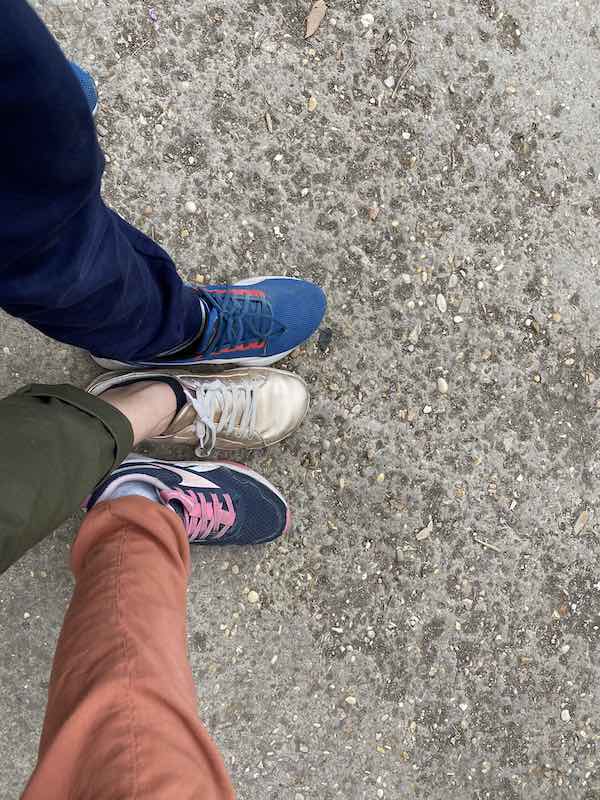
For spring and autumn: waterproof ankle boots are my go-to for Dublin and city days. Good grip is important — wet leaves on cobblestones are genuinely slippery. For the countryside, hiking boots or waterproof walking shoes.
For winter: waterproof boots, full stop. Whether ankle boots for the city or more substantial ones for outdoor exploring, they need to keep water out. Wool socks underneath make a significant difference.
For all seasons and all hiking: invest in proper walking shoes or boots if you’re planning any serious outdoor time. Ireland’s landscapes — the Wicklow Mountains, the Wild Atlantic Way, the Burren — are spectacular but they are also wet, rocky, and uneven. Good footwear is not a luxury here; it’s the thing that makes the difference between an incredible day out and a miserable one.
Packing for Kids in Ireland
Ireland is a wonderful destination for families — genuinely welcoming to children in a way that not every country is — but a few extra items make a real difference:
- Waterproof all-in-one suit for toddlers and small kids — this is the single best investment for travelling Ireland with small children. Irish weather will not stop your child wanting to play outside; a waterproof suit means they can, whatever the conditions
- Wellies (Wellington boots) — if you’re visiting in autumn, winter, or spring, these are genuinely useful for muddy outdoor adventures, just make sure you also have warm socks!
- Layers in smaller sizes — same principle as adults: base layer, mid layer, waterproof outer
- All-terrain stroller — if you have a baby or young toddler and are planning coastal or countryside walks, a stroller with decent wheels handles Irish paths much better than a city buggy. I also always recommend to bring a carrier, useful on longer country walks
What NOT to Pack for Ireland
- A wardrobe full of summer clothes only – Irish summer does not require it
- An umbrella as your only rain protection — Irish wind eats umbrellas. A waterproof jacket with a hood is far more practical and will still be intact by day two
- Formal clothes — unless you have a specific reason. Ireland is a casual country and you will not need them
- Heavy boots in summer — a lighter waterproof shoe is sufficient for most summer days
Safe travels!
IRELAND PACKING LIST – PIN THIS!