Family Packing List for Paris and the South of France: What to Pack for a Summer Trip with Kids
Practical packing list for Paris and the South of France in summer: what to pack, what to leave, home, what not to stress about
France in summer means many things: Paris in the heat, the lavender fields of Provence, the beaches of the Côte d’Azur, the markets of Nice.
It is a destination of trains and metros, of long lunches and evening strolls, of cities that reward walking and coasts that reward doing absolutely nothing at all.
it is one of my favorite destinations of all and no matter how many times we go to France with kids, we just end up wanting to go again!
Packing for France requires some thinking but not the way many overseas visitors think!
France does not require is a wardrobe overhaul. France does not require you to change your style, wear a berret (please don’t!) or dressing up channelling your inner royalty while dragging yourself around a 40C degree summer.
France requires clothing that is sensible! And this packing list helps you pick exactly the right ones!
We have been to France in summer many times and since the most popular places for a summer vacations tend to be a mix of Paris and Southern France (good choice! Easy to see why this is so popular!) this packing lists focuses on these two and the journey in between.
I hope you find it helpful!
Paris vs the South of France: How Different Are They to Pack For?
Fairly different, as it turns out — which is why I’ve combined them in one post so you can plan for both if you’re doing a longer trip.
Paris in summer is very hot and since it is inland, it can get very oppressive. It is also a city that can get overcast, which means you can feel the heat intensely.
This part of your vacation is a city trip: think comfortable walking shoes, a light layer in case of sudden rain, and one easy outfit for a nice dinner. The city can feel very hot in a heatwave but it’s manageable with light clothing and a water bottle.

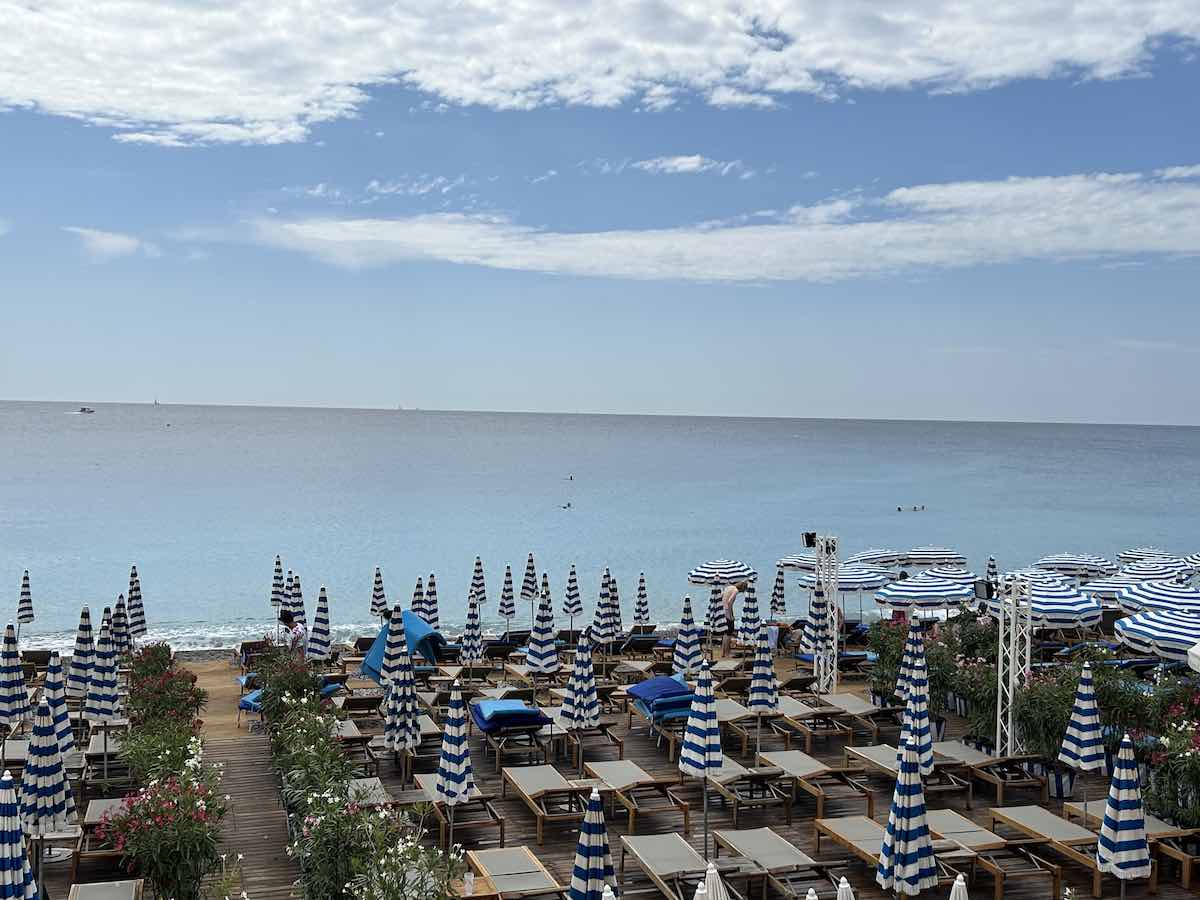
The South of France (Provence, the Côte d’Azur, Languedoc) is VERY hot: 30–35°C is normal in peak summer and it is not all coastal, so you will not always be able to just get into water at a drop of a hat. It’s also a mix of city and coast — Nice, Marseille, Montpellier for culture; the beaches and villages for relaxation. Pack for heat, sun, and some beach time alongside your city days.
If you’re doing both on the same trip, the list below covers everything — I’ll flag where tips differ.
Paris packing anxiety
I want to address the Paris fashion anxiety upfront because I hear it constantly and it is, with great respect, not based on reality.
Parisians are not standing on street corners waiting to judge your outfit. They are rushing to work, chasing their kids, sitting in cafés, living their lives.
The idea that you need a carefully curated ‘Paris wardrobe’ to visit the city is a myth — and a useful one for selling things, which is probably why it persists. Wear what you find comfortable and what makes you feel good. That is genuinely all that’s needed.
What France does require is practical packing, because you will be moving around. Paris means metros, stairs, and distances that are longer than they look on the map. The South of France means trains between cities, steps down to beaches, and markets where you’ll want free hands and a light bag. Pack for mobility and you’ll enjoy every bit of it more.
Pack Light — Seriously
France rewards light packers in a way that few destinations do.
In Paris, you’ll be on the metro, often with no lift, always with other people, frequently on platforms that are too hot.
A large suitcase on a Parisian metro at rush hour is a particular kind of misery. The city also involves a lot of walking between neighbourhoods; you want to arrive at each place feeling free, not like a pack horse.
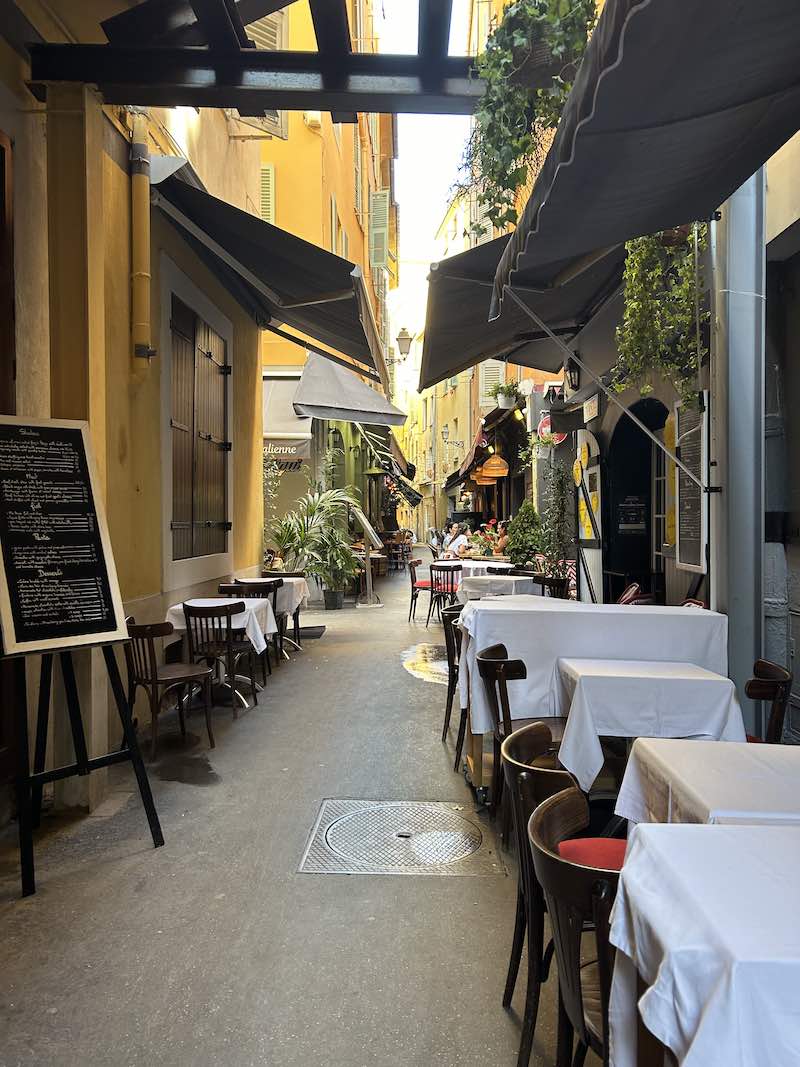
In the South, you’ll likely be taking trains between cities (SNCF trains have luggage racks but overhead space is limited) and moving between different types of accommodation.
Many of the most charming villages and beaches involve steps, hills, or narrow lanes where dragging a large case is genuinely impractical.
One manageable bag per adult and a backpack per child is the goal. You can do laundry — French launderettes (laveries automatiques) are easy to find and cheap to use — so you need far fewer clothes than you think.
Documents & Travel Essentials
- Passports — check expiry dates (6 months’ validity required for non-EU travellers)
- Visas / Travel permits as relevant to your specific situation
- International Driving permit, if relevant
- Travel insurance documents
- Booking confirmations — accommodation, trains, any pre-booked attractions (the Eiffel Tower, Palace of Versailles, etc — book well in advance and download tickets offline)
- Train tickets if travelling by rail — France’s SNCF is excellent and worth booking ahead in summer
- A small travel organiser for documents
Tip: Download your Paris transport app (Bonjour RATP or Google Maps works well) and buy a carnet of metro tickets or a Navigo card if you’re staying several days in Paris — it saves money and time at ticket machines.
Clothing for Paris and the South of France
Adults — Paris
Paris in summer is warm but it’s fundamentally a city trip. Think versatile and walkable.
- 3–4 lightweight tops or t-shirts
- 2–3 bottoms: shorts for warm days, one pair of light trousers or a skirt that works for both sightseeing and an easy dinner out
- A light layer – A thin cardigan or linen jacket takes up almost no space and you’ll use it often
- A couple of casual dresses if that’s your preference — easy, comfortable, and genuinely versatile
- Swimwear if you’re heading to the South afterwards, or if your accommodation has a pool
- Sleepwear
- One smart-casual outfit if you want a nicer dinner — a simple dress, or a clean shirt with good trousers. You absolutely do not need to dress up to go out in Paris, but if you’ve booked somewhere special, smart casual is appropriate
Good to know: churches demand modest attire and this means covered shoulders and knees. Opt for longer items of clothing or bring a wrap for the days when planning visits to sacred areas.
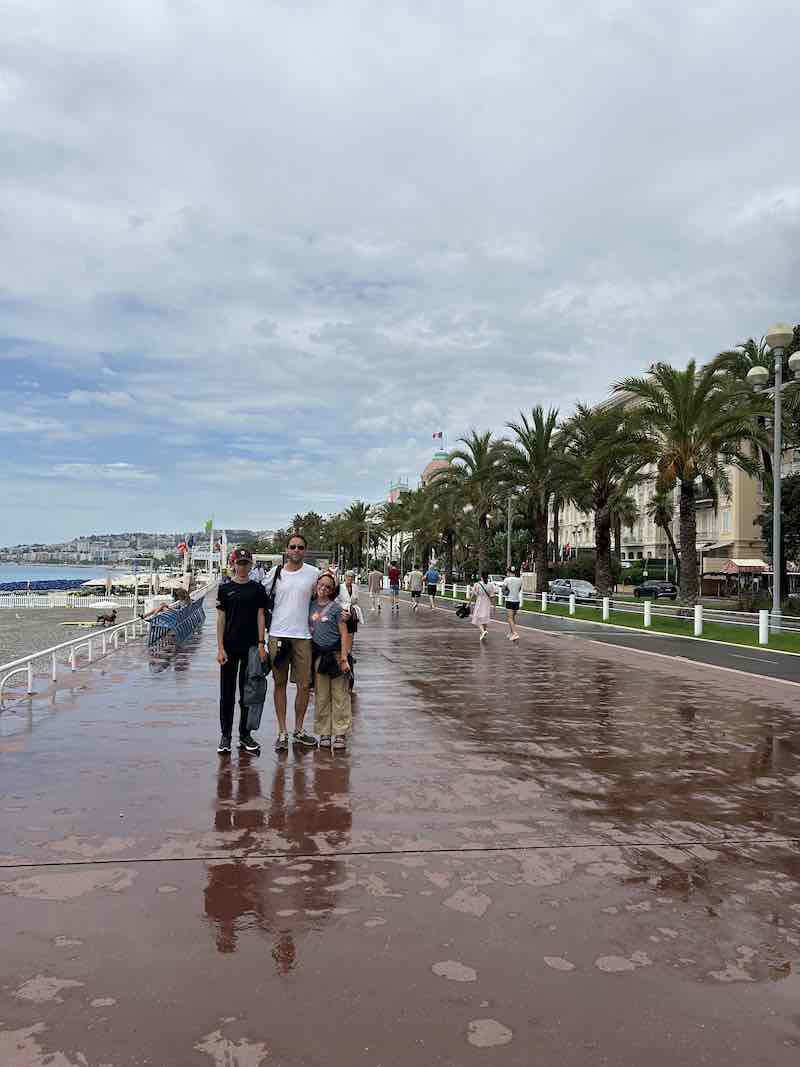
On the Paris fashion question: You will see Parisians in everything from beautifully put-together outfits to joggers and hoodies. You will see tourists in every possible style. Nobody is paying attention to you. Wear what you find comfortable and what makes you happy in the photos. That is all.
Adults — South of France
The South is hotter and more relaxed than Paris. Shift towards lighter, breezier pieces.
- Swap one pair of trousers for an extra dress or shorts
- Swimwear is essential — 2 sets
- A sarong or light cover-up for beach to café transitions
- Evenings in Provence and the Côte d’Azur can be lovely and warm — a light dress or linen shirt and trousers is perfectly appropriate almost everywhere
Kids
- 4–5 lightweight t-shirts
- 2–3 shorts or light trousers
- 1–2 casual dresses or easy outfits
- Swimwear (2 sets if heading to the South or anywhere with a pool)
- UV rash vest — particularly useful for South of France beach days
- A thin hoodie or zip-up for Paris evenings, air conditioning, and the occasional chilly museum
- Sleepwear
Shoes for France
France is a walking destination. Comfortable feet are happy children and happy parents.
- Comfortable walking shoes or trainers — your non-negotiable. Break them in before you travel. In Paris especially, you will cover distances that surprise you
- Sandals — for warmer days, beaches, and casual evenings. Choose a pair with some support rather than flat flip flops; Parisian pavements and Southern French cobbles are not flip flop terrain
- Kids’ shoes: trainers for city days, sandals for beach and casual time, water shoes if spending time on rocky Mediterranean beaches (the South of France is not all sandy beaches — many are pebble or a rough sand + stones , and water shoes make them much more enjoyable for children)
On heels in France: The romance of Parisian streets and heels is a real aesthetic but also a practical nightmare for a day of sightseeing with kids. Save them for dinner if you want them and taxi rides; flat shoes will serve you much better for the actual day.
Accessories & Day Bag
- Sun hat — essential for the South of France; useful in Paris on hot days
- Sunglasses
- A good day bag — this is worth thinking about for Paris specifically. A crossbody bag with a secure zip is both practical for a day of sightseeing and sensible from a pickpocketing perspective. Paris is generally very safe but crowded tourist areas attract opportunistic theft; a bag that closes properly and sits in front of you is a good habit
- Reusable water bottle to refill at the many fountains
- Light scarf — in France a scarf feels almost culturally appropriate, and it earns its practical keep as a layer, a beach cover-up, and a museum wrap
Sun & Heat Essentials
Essential for the South of France; worth having for Paris too on hot days.
- Sunscreen — the South of France sun is strong. Bring your preferred brand or buy on arrival (widely available)
- After-sun lotion — especially for beach days with kids
- Lip balm with SPF
- Kids’ SPF 50 sun cream
- Insect repellent — less of an issue than in Greece but worth having for evenings in Provence especially, where the countryside brings mosquitoes
Tip for Paris in a heatwave: Paris can get genuinely hot in summer and the city heats up significantly. Many older buildings have no air conditioning. A portable fan (even a small handheld one) is surprisingly useful.
Toiletries & Health Essentials
France — and Paris in particular — has wonderful pharmacies and excellent cosmetic and skincare brands. I genuinely look forward to browsing a French pharmacy; it’s one of the small pleasures of being there!
So don’t stress about toiletries: you can find almost anything you need, and discovering local products is part of the fun.
Hotels in France almost universally provide soap and shampoo. Conditioner is rarely provided — if you need it, bring it or pick it up at a supermarket or pharmacy on arrival.
Washcloths are not standard in French hotels (or most European hotels). If you rely on them, pack one from home.
Things worth bringing:
- Prescription medications in original packaging
- Any specific children’s medications
- Basic pain relief and antihistamines
- Plasters and a small first aid kit
- Motion sickness medication if needed for travel days
Good to know: medications often have different commercial names than back home. Therefore, it is useful to familiarize yourself with the name of the active principle (for instance: paracetamol, ibuprofen) so you can easily source it no matter what name it has here.
Last time in Paris I got a terrible cold and paracetamol made me feel better: it was super easy to source even if the box and the name looked completely unfamiliar to me!
Tech & Travel Gear
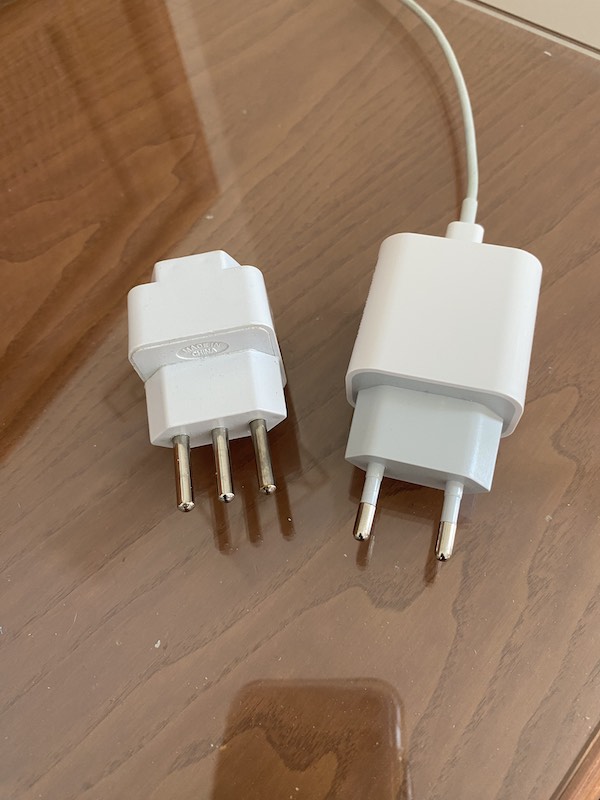
- EU plug adapter if travelling from the UK or outside Europe
- Portable charger — essential for long Paris sightseeing days when maps, cameras, and kids’ entertainment drain batteries fast
- Phone with offline maps — particularly useful in the South of France where you might be in areas with patchy signal
- Earphones and screens for kids, if using, on trains and long travel days
- If driving in the South of France: a physical map or downloaded offline maps as a backup — rural Provence can have limited signal
Packing for Babies and Toddlers
- Lightweight, foldable stroller — Paris is largely stroller-navigable but the metro is not. Plan your routes using accessible stations (marked on metro maps) or be prepared to carry the stroller up stairs. A light, easily foldable one makes a real difference
- Baby carrier — invaluable for metro stairs, museum queues, and anywhere the stroller becomes impractical
- UV sun tent for beach days in the South: this can be annoying to carry but super useful if planing an extensive stay at a coastal location
- Portable fan
- Familiar snacks — French supermarkets (Carrefour, Monoprix) are excellent and well-stocked, but baby food ranges and brands will differ from home. Bring a small supply of whatever your child relies on if you know you have a ‘discerning’ eater!
- Diapers for the journey plus a few extra in case of delays; easily available in all French supermarkets
Tip: Monoprix in Paris is a wonderful supermarket for families — good range of food, snacks, and baby essentials, and branches in most central neighbourhoods.
What NOT to Pack
- A heavy or hard-sided large case if using the Paris metro — you will have a bad time on the stairs
- A separate ‘Paris outfit’ wardrobe — your normal clothes are fine. I promise
- Heels as your main shoe — beautiful in theory, miserable in practice after the first cobblestone
- Too many clothes — launderettes in France are easy, cheap, and everywhere. Pack less, do a wash midway if needed
- Bulky towels — hotels always provide them. For South of France beach days, a lightweight microfibre travel towel takes up a fraction of the space of a real one
Final Tips
Pre-book Paris attractions. The Eiffel Tower, Versailles, the Louvre — all require advance booking in summer. Don’t leave it until you arrive.
Embrace the French pace. Long lunches, afternoon breaks, slow evenings — France is not a destination for rushing. Pack light enough that you feel relaxed, and let the trip unfold at its own pace.
Trains are your friend. France has one of Europe’s best rail networks. Paris to Nice is a beautiful train journey; Paris to Avignon is under 3 hours on the TGV. If you’re combining Paris with the South, the train is worth considering over flying.
Learn a few words of French. It genuinely makes a difference to how you’re received, especially outside of Paris. Bonjour, s’il vous plaît, merci — a little goes a long way.
Safe travels!
You might also enjoy:
Summer packing list for Paris and the South of France: pin this!